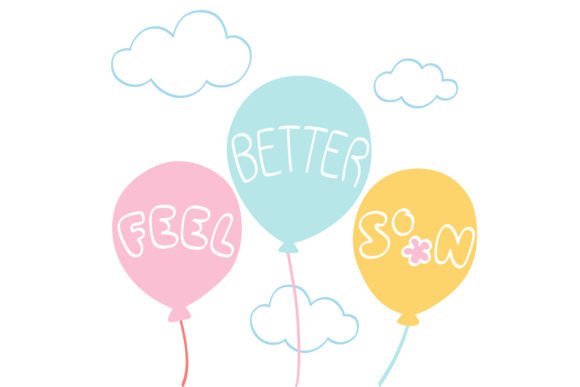
Feel Better Soon Card: Hand Drawn Graphics & Illustrations
When I first opened the Feel Better Soon Card - Hand Drawn asset, I immediately recognized the kind of warmth that works well in editorial design. The hand-drawn quality brings a gentle, personal touch that feels both artistic and approachable. It is not overly polished in a sterile way, and it is not so loose that it loses structure. The balance lands somewhere between a thoughtful handmade card and a professional graphic design asset ready for digital publishing. For anyone running a content website, an affiliate blog, or a small business site that needs to communicate care and sincerity, this asset carries a natural emotional weight. The mood is soft, encouraging, and slightly lifestyle-focused without feeling overly feminine or restrictive. It could easily support health and wellness content, self-care articles, encouragement posts, or any editorial piece that benefits from a visually comforting presence.
The Feel Better Soon Card - Hand Drawn asset belongs to the Illustrations category, and it functions as a versatile graphics piece that can be adapted across multiple content formats. The hand-drawn style gives it an editorial quality that feels less like a stock template and more like a custom illustration made specifically for your brand. This is the kind of design asset that helps readers pause and feel something before they even read a headline. In a publishing workflow where first impressions determine click-through rates and reader trust, that emotional connection matters. Whether you are building a digital guide about wellness, designing a lead magnet for a health coaching site, or creating social media graphics for a self-care newsletter, the tone of this asset supports content that needs to feel human and genuine.
How This Hand Drawn Illustration Fits a Real Publishing Workflow
In my own content publishing projects, I need design assets that move easily between blog graphics, Pinterest pins, and newsletter headers without losing their impact. The Feel Better Soon Card - Hand Drawn illustration works well in that kind of multi-format environment. I can see it serving as a featured image for an article about coping with illness, a visual accent on a downloadable resource page, or even a category thumbnail for a health section on a lifestyle blog. The hand-drawn line quality adds texture that reads well on screen, and the composition leaves enough negative space for text overlays, headline placement, or branding elements. This is not a design that fights for attention. It supports the message without overwhelming it.
For digital publishers working with Canva templates or custom layouts, the asset provides a solid foundation for customization. You can adjust colors, add your own message, or combine it with other elements to create a unique design that aligns with your brand identity. The fact that you receive the design in multiple formats means you can use it for both web and print without reworking the file. That flexibility is critical when you are producing content at scale and need to maintain consistency across a website header, a Pinterest pin, and a social media graphic all in the same week.
Editorial Mood and Visual Communication Style
The Feel Better Soon Card - Hand Drawn creates a mood that is warm, caring, and slightly artistic. It is not a bold or loud design. Instead, it relies on soft lines and a gentle composition to communicate empathy and support. For content marketers who work in niches like mental health, chronic illness, self-care, parenting, or personal development, this visual language builds trust quickly. Readers scanning a blog feed or browsing Pinterest will recognize the sincerity of the hand-drawn style, and that recognition can improve click-through potential and reader engagement. The design feels personal, which is hard to achieve with standard graphic design assets that lean too corporate or too generic.
At the same time, the asset does not feel amateurish. The hand-drawn quality is intentional and refined. It sits comfortably in the modern design space where organic and digital meet. If you are a creative entrepreneur or a small business owner publishing content that needs to look polished but approachable, this illustration fits that balance well. It can elevate a simple blog post into something that feels more like a curated editorial piece.
Best Use Cases for Bloggers, Publishers, and Content Creators
After testing the Feel Better Soon Card - Hand Drawn in several real publishing scenarios, I found it performs best in these specific formats:
- Blog featured images for articles about health, recovery, encouragement, or personal stories
- Pinterest pins that need a soft, caring visual to attract clicks from users searching for wellness content
- Article headers and editorial accents that break up text and add visual interest without distracting
- Newsletter graphics for email campaigns focused on self-care, check-ins, or community support
- Digital guides and lead magnets in the wellness or coaching space that require a warm, inviting cover
- Downloadable printables such as encouragement cards, journal pages, or resource sheets for readers
- Social media posts and digital ads that promote content related to emotional well-being
- Affiliate content visuals where you need to recommend products or services in a caring, trustworthy tone
- Media kits for bloggers or small businesses that want to communicate a supportive brand voice
In each of these cases, the hand-drawn illustration helps establish a visual hierarchy that guides the reader’s eye toward the message. It also supports brand identity by providing a consistent visual anchor across different content types. If you are producing a series of articles or a content upgrade like a digital guide, using this asset across multiple pieces can strengthen category recognition and make your site feel more cohesive.
Where to Use This Design Asset Cautiously
No asset works everywhere, and the Feel Better Soon Card - Hand Drawn is no exception. In my testing, I noticed a few scenarios where it needs careful handling. On small mobile thumbnails, the hand-drawn details can become less visible, especially if the image is heavily compressed or displayed at a very small size. If you plan to use it as a category thumbnail or a small icon, consider simplifying the composition or pairing it with a solid color background to maintain clarity.
Similarly, text-heavy blog images with multiple layered fonts may clash with the hand-drawn style if the typography is too rigid or corporate. I recommend testing the asset with serif fonts, sans serif fonts, script fonts, handwritten fonts, and display font styles to see which combination feels most natural. The hand-drawn lines work beautifully with a clean sans serif for a modern look, or a soft script for a more personal feel. But if you place it inside a busy layout with low-contrast backgrounds, the illustration can lose its impact and become lost in the visual noise.
For serious professional niches like corporate consulting, legal content, or finance, the caring tone of this asset may feel out of place. It is better suited for lifestyle, wellness, creative, educational, and personal development audiences. If your website requires a very minimal visual system with strict geometric shapes and neutral palettes, the hand-drawn quality might not align with that aesthetic. In those cases, you are better off using a more abstract or structured graphic design asset that matches the brand’s tone.
Practical Publisher Notes for Testing and Implementation
Before you commit to using the Feel Better Soon Card - Hand Drawn in a live publishing project, I recommend a few practical steps to ensure it performs well across your content ecosystem. First, test it on desktop and mobile screens at different sizes. The hand-drawn lines should remain crisp and recognizable even when scaled down. If you are using it as a website header or hero image, check how it looks on a 27-inch monitor versus a 6-inch phone screen. The emotional impact of the illustration should translate at both sizes.
Second, preview it inside a real blog layout with your actual content. Place it beside headlines, body text, and sidebar elements to see how it interacts with the rest of your design system. Check contrast and readability, especially if you plan to overlay text directly on the illustration. In some cases, you may need to add a subtle shadow or a semi-transparent background layer to ensure the text remains legible.
Third, try it in black and white to see how the composition holds up without color cues. This is a useful test for understanding the underlying structure of the design. If it still feels balanced and engaging in grayscale, you know the asset has strong foundational design. If it loses its appeal, you may need to rely on color to carry the visual weight.
Fourth, review file size for web performance. Large, uncompressed image files can slow down your page load times and hurt your site’s SEO and user experience. Compress images properly without sacrificing quality, and use the appropriate format for web use. If you are using the asset in a digital product like a PDF guide or a printable design, you may need a higher resolution version, but for web use, keep file sizes lean.
Finally, confirm commercial licensing before using the asset on monetized websites, affiliate pages, or paid content products. If you are an affiliate marketer or a content marketer generating revenue from your site, you need to ensure that your license covers commercial use. The same applies if you are creating digital downloads or Canva templates for clients. Always check the terms on the creative marketplace where you purchased the asset. A clear commercial license protects your work and your business.
How This Asset Supports Content Performance and Reader Trust
From a content marketing perspective, the Feel Better Soon Card - Hand Drawn does more than just decorate a page. It helps establish a stronger first impression by communicating care and attention before a reader engages with your copy. That initial emotional response can improve click-through rates on social media, increase time on page, and reduce bounce rates. When readers feel that a site is visually thoughtful, they are more likely to trust the information presented. For affiliate marketers and online educators, trust is a direct driver of conversions and engagement.
The asset also contributes to clearer visual hierarchy by providing a natural focal point that guides the eye. In a blog post or a digital guide, the illustration can serve as an anchor that draws readers into the content. If you are building a lead magnet or a digital guide, a strong cover image can make the difference between someone downloading your resource or scrolling past it. The hand-drawn style feels exclusive and handmade, which adds perceived value to your content products.
For small business branding and creative design work, using a consistent visual style across your content builds recognition over time. If you publish regularly in the wellness, self-care, or encouragement space, the Feel Better Soon Card - Hand Drawn can become a signature element of your brand’s visual identity. That kind of consistency helps readers feel at home on your site, and it makes your content more memorable in a crowded digital landscape.
Final Thoughts on Using This Hand Drawn Illustration in Real Projects
The Feel Better Soon Card - Hand Drawn is a well-crafted graphic design asset that brings genuine warmth to editorial and content publishing work. It is not a one-size-fits-all solution, but for the right niche and the right audience, it can significantly improve how your content looks and feels. Whether you are a blogger creating a series of get-well articles, a digital publisher designing a newsletter banner, or a creative entrepreneur building a digital product library, this illustration offers flexibility, emotional resonance, and professional polish. Test it in your workflow, customize it to fit your brand, and use it in places where you want readers to feel cared for. That is the kind of visual communication that builds lasting reader trust.