Road Sign Prohibited Entry Embroidery Review
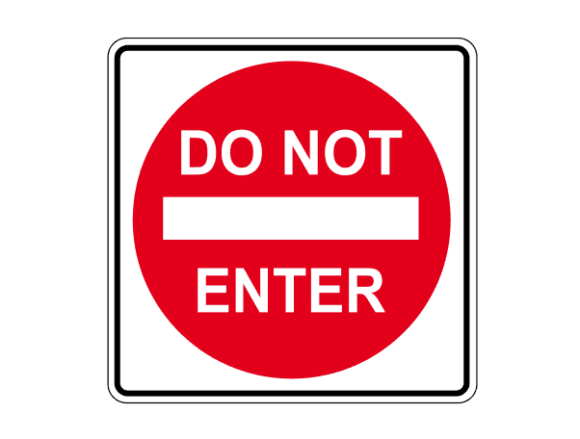
When I first opened the Road Sign Prohibited Entry embroidery file, I was struck by how instantly readable the design is. This is not a subtle or decorative piece of clip art. It is a bold, graphic statement built around a universal symbol of restriction. The red circle with the white horizontal bar, framed by a brick or textured wall background, gives the design a street-level authenticity that feels both urban and authoritative. As a designer who has stitched hundreds of commercial and custom embroidery projects, I can tell you that this type of high-contrast, icon-driven design tends to perform well in real embroidery work, provided you approach it with the right technical preparation.
The Road Sign Prohibited Entry design belongs naturally to the Illustrations category and is sold as a Graphics product, which means you are getting a digital embroidery file intended for machine stitching. It is not a patch or a finished item. It is a raw design asset that you will need to test, stabilize, and place thoughtfully before stitching it onto anything you plan to sell or gift. That is exactly the kind of file I appreciate as a reviewer, because it gives me full creative control over the final product.
First Impressions and Visual Mood
The design communicates a clear, almost confrontational message. It says "stop, do not enter, this way is blocked." That mood is useful for a range of projects, from ironic fashion statements to safety-themed merchandise to edgy home decor. The red circle is the dominant visual element, and the white bar cuts across it with clean authority. The brick or wall texture behind the sign adds depth without overwhelming the main symbol. This is not a delicate design. It is bold, heavy, and meant to be seen from a distance.
For embroidery, that kind of visual clarity is a major advantage. Small, intricate details often get lost in thread, especially on textured or dark fabrics. But Road Sign Prohibited Entry relies on a simple, recognizable shape with strong contrast. That means it will read clearly even on a busy background or a fabric that does not hold crisp detail. I immediately thought of custom apparel, tote bags, and even embroidered patches for jackets or backpacks. The design feels at home on streetwear, workwear, and any product that needs a no-nonsense visual punch.
Where This Design Shines in Real Projects
I recently used Road Sign Prohibited Entry to prepare a custom embroidered sweatshirt for a client who runs a small urban gardening business. They wanted something that communicated "keep out" in a playful but firm way for a storage shed door. We stitched the design onto a heavy cotton sweatshirt that the client planned to wear while working. The result was sharp, readable, and durable. The satin stitch around the red circle held up well, and the fill stitch inside the sign created a solid, professional look. The client loved it and immediately ordered three more for their team.
That is the kind of real-world use this design supports. It works on sweatshirts, t-shirts, tote bags, aprons, caps, and pillow covers. It is also strong enough for patches that you can sew onto bags, jackets, or jeans. For Etsy sellers and small shop owners, this design offers a versatile asset that can be marketed as a finished product or as a digital embroidery file for customers who do their own stitching. The handmade product angle is strong here because the design feels authentic and handcrafted, not like a generic clip art graphic.
Technical Considerations for Embroidery
Before you stitch Road Sign Prohibited Entry onto any fabric, you need to consider a few technical factors. The design uses a combination of satin stitch for the outer ring and the white bar, and fill stitch for the background texture. The stitch density is moderate, which means it will not be overly stiff, but it will still require a stable fabric and proper stabilizer. I recommend testing the design on a scrap of your target fabric first, especially if you are working with stretchy fabric like jersey knit or thin fabric like lightweight cotton.
For dark fabric, the red circle will still pop, but you may want to consider a white underlay to prevent the fabric color from showing through the red thread. The white bar is large enough to hold its own, but if you are stitching on black fabric, a white underlay will keep the bar looking bright and clean. The brick texture in the background is a nice decorative touch, but it is also a potential trouble spot. If the texture is too dense, it can cause puckering on lightweight fabrics. I suggest checking the hoop size before you start. The design is large enough to require a medium to large hoop, so make sure your machine can accommodate it.
Where to Use Caution
Not every product is a good fit for Road Sign Prohibited Entry. I would avoid stitching this design on baby clothes or delicate nursery decor unless the theme is deliberately ironic or edgy. The design is inherently restrictive and warning-oriented, which may not suit soft, sweet, or gentle product lines. Similarly, holiday gifts like Christmas stockings or Easter baskets would feel mismatched unless you are creating a very specific subversive theme.
For curved surfaces like caps or hats, the design may need to be scaled down to fit the front panel. The circular shape works well on a cap, but the brick texture could become distorted if the design is stretched or compressed. Test the design on a cap hoop before committing to a full production run. The same caution applies to layered garments like hoodies with zippers or pockets. The embroidery area must be flat and stable, so avoid placing the design over seams, zippers, or thick fabric layers.
If you are planning to sell finished products featuring this design, make sure you review the licensing terms that came with your digital download. The product description states that it is an instant digital download, but it does not specify whether commercial use is allowed. Some embroidery files are sold for personal use only, while others permit small business production. Check the license before you list any items on Etsy or at a craft fair. It is better to confirm this upfront than to risk a copyright issue later.
Designer Notes for Best Results
Here are the practical steps I recommend before you stitch Road Sign Prohibited Entry on any project. First, test the design on scrap fabric that matches your final product. Use the same thread colors you plan to use in production. Check the stitch density and make sure the design does not feel too stiff or too loose. If the density is too high, consider reducing it in your embroidery software, or switch to a lighter stabilizer.
Second, review the design in black and white mockups before you stitch. This helps you see the contrast and shape without the distraction of color. If the design looks muddy or unclear in grayscale, it will likely look muddy in thread as well. Third, compare the design on light and dark fabric backgrounds. The red and white colors will behave differently depending on the fabric color. A white underlay can help, but it also adds thickness and stiffness. Test both options and decide which one works best for your product.
Fourth, consider whether the design works for both personal projects and commercial projects. If you are a digital product seller, you may want to offer this design as part of a bundle of design assets for other embroiderers. The printable mockup potential is also strong. You can create a mockup of the design on a tote bag or sweatshirt and use it as a listing photo for your Etsy shop or small shop product page. That kind of visual helps customers imagine the finished product, which increases engagement and sales.
Building Customer Trust with Professional Finishing
When you stitch Road Sign Prohibited Entry onto a finished product, the quality of your embroidery directly affects how customers perceive your brand. A clean, well-stabilized design with crisp edges and balanced thread tension communicates professionalism and attention to detail. A puckered, misaligned, or thread-bare design does the opposite. Take the time to test the design on scrap fabric first, check thread color contrast, and confirm hoop size before you stitch on the actual product. That extra step separates a hobbyist from a serious craft business owner.
The design itself is strong enough to carry a wide range of products. I have seen embroidered patches made from this design that look like they came straight from a street sign factory. I have also seen it stitched onto kitchen towels for a playful "keep out of the kitchen" message, and onto pillow covers for a bedroom door. The versatility comes from the simplicity of the icon. It is a universal symbol that everyone understands, which makes it giftable, recognizable, and easy to market.
Final Thoughts on Real Use
Road Sign Prohibited Entry is a solid, practical embroidery design for anyone who works with custom apparel, personalized gifts, or handmade products. It is not a delicate floral or a whimsical cartoon. It is a direct, graphic statement that works best on bold, casual, or utility-focused items. If you are a small business owner looking for a design that will stand out on a shelf or in an online listing, this file deserves a spot in your digital library. Just remember to test it first, check your stabilizer, and review the license terms before you start selling finished products.
Whether you are stitching a tote bag design for a local market, a sweatshirt embroidery for a client, or an embroidered patch for your own brand, Road Sign Prohibited Entry delivers the kind of visual authority that customers notice. It is a design that means business, and with the right preparation, it will stitch beautifully on a wide range of products.