Basil Plant: A Hands-On Review for Embroidery Designers
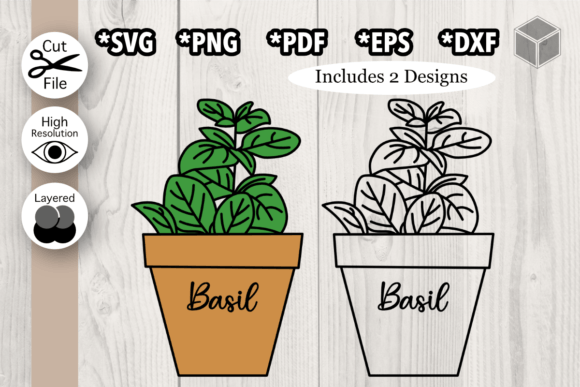
As a designer who regularly converts illustrations into embroidered products, I’m always looking for graphics that offer clean lines, a clear theme, and practical application. The Basil Plant set fits that bill neatly. It provides two distinct versions of a potted basil plant—one fully colored, one an outline—which immediately gives someone like me options when planning a real embroidery project. Let’s get into how this performs when it leaves the screen and hits the needle.
First Impressions: Mood, Theme, and Visual Personality
The Basil Plant design carries a clean, modern, culinary feel. It’s not overly detailed or fussy, which is a huge advantage when you’re moving from a digital file to a stitched product. The shape of the basil leaves is distinct, and the pot provides a solid, grounded base. It immediately reminded me of the kind of illustration you’d see on a high-end farmer’s market tote or a boutique kitchen towel. The mood is wholesome, practical, and slightly rustic, but not so stylized that it feels dated. Whether you’re making a handmade product for a craft business or a personalized gift for a gardening friend, the theme is universally appealing.
Real Project Test: From Digital Graphic to Stitched Product
I test most new design assets by running them through a real product cycle. For this review, I prepped a set of heavy cotton tote bag design blanks and linen tea towels for a small boutique order. The “Farmhouse Kitchen” theme was a perfect match for the Basil Plant. The fact that this is categorized as an Illustration and Graphics set means the onus is on the embroidery designer to digitize it well, but the starting point is excellent. The vector formats (SVG, DXF, EPS, AI) are clean and easy to work with in digitizing software.
The Outline Version for Towels and Linens
The outline file is a dream for a single-color stitch on the tea towels. It reads as a crisp, modern line drawing. I digitized it using a simple running stitch for the pot and a satin stitch for the leaf veins. The low stitch density meant the towels kept their soft drape, which is critical for a product that will be washed repeatedly. This version is perfect for a minimalist, handmade product that feels sophisticated without being flashy. If you’re an Etsy seller looking to create a small shop product that’s quick to stitch, this is your go-to.
The Color Version for Premium Apparel and Totes
This is where the Basil Plant design shines for a premium finished product. The illustration splits naturally into distinct color blocks: the terracotta pot, the green leaves, the dark soil. This makes digitizing for fill stitch and satin stitch straightforward. I used a tatami fill for the pot and a satin stitch for the leaves. The visual personality shifts from a minimalist sketch to a rich, detailed embroidery. It looks fantastic on a heavy sweatshirt embroidery placement or a structured tote bag design.
Best Use Cases for the Basil Plant Design
- Kitchen Linens: This is the home run. Tea towels, aprons, and oven mitts with the Basil Plant are an instant hit. The herb theme is timeless and sells well year-round, especially for holiday embroidery gifts for the home cook.
- Tote Bags: A large, centered Basil Plant on a canvas tote is an instant conversation starter. It’s a simple, effective tote bag design that appeals to a wide audience.
- Custom Apparel: A small version on a chef’s coat, a sweatshirt embroidery pocket, or a baby embroidery onesie for a “Garden Baby” theme works well. Be mindful of the scale.
- Embroidered Patches: The thick, solid shapes of the color version make it an excellent candidate for an embroidered patch. You can easily create a run of patches to sell or apply to bags and jackets.
- Personalized Gifts: Offer customization by adding the recipient’s name or a custom herb variety. This is a strong strategy for Etsy sellers looking to increase the perceived value of their handmade product.
Where to Use Caution: Practical Considerations
Every design asset has its limits, and the Basil Plant is no different. Here are a few things I noticed during my testing.
Small Hoop Sizes and Detail Loss
The basil leaves have distinct shapes. If you hoop it too small (under 4 inches), you risk losing the leaf definition. The stems might become too thick or too thin when digitized. Always check your hoop size and test the design on scrap fabric first. This is a machine embroidery design that performs best when given enough space to breathe.
Curved Surfaces and Fabric Texture
The pot is relatively wide. Placing it on a curved surface like a cap or a sleeve might require shrinking it down, which could compromise the detail. On textured fabrics like thick linen or heavy cotton, the outline version might need a water-soluble stabilizer on top to prevent the satin stitch from sinking into the fabric weave. I ran into this on the tea towels and a water-soluble topping solved the issue completely.
Dark Fabrics and Thread Colors
The outline version relies on negative space. On a black or navy towel, it won’t be visible unless you stitch it as a solid negative shape, which defeats the purpose of the outline. The color version works better on dark backgrounds, but you’ll need to ensure your thread colors pop. For a navy sweatshirt, I used a bright lime green and a soft cream for the pot. The contrast was excellent.
Washability for Frequent Use
Because it’s an Illustration rather than a pre-digitized embroidery file, the onus is on you to digitize it well. Use proper pull compensation and underlay to prevent the fabric from pulling and puckering, especially on stretchy t-shirts or sweatshirt embroidery projects. Poor digitizing will lead to distortion after the first wash. Test your stitch density to ensure the design stays crisp.
Business Value: Why This Works for Etsy Sellers and Small Shops
This is a high-value design asset for a craft business. The “herb label” concept is explicitly mentioned in the product description, and it’s a smart one. It allows you to create a cohesive small shop product line. You can offer a set of four herb designs (basil, mint, rosemary, thyme) as a personalized gift set. The vector format means you can resize it easily for different applications, from a tiny baby embroidery onesie to a large embroidered patch for an apron.
Branding and Presentation
The Basil Plant has a strong enough visual personality to act as a boutique brand logo. Use it on your printable mockup images, hang tags, and packaging. Consistency in branding builds customer trust and makes your handmade product look more professional. When you’re selling at a craft fair or on Etsy, a cohesive look matters.
Licensing and Commercial Use
Always check the specific license included with the Illustrations and Graphics. You are likely allowed to use the finished product for commercial embroidery (selling the embroidered item). You may need an extended license to sell the digital file itself. Confirm this before listing your products. Protecting your craft business starts with understanding the terms of your design assets.
Final Verdict: A Practical, Dependable Design Asset
The Basil Plant Illustrations set is a solid, practical graphic for the discerning embroidery designer. It bridges the gap between a digital illustration and a tangible embroidered patch or custom apparel piece. It’s not a flashy, complex design, and that’s its strength. It’s a versatile, usable, everyday design that customers recognize and trust. The two versions (color and outline) give you the flexibility to create both a minimalist product and a premium, detailed piece. For anyone in the embroidery project world looking to expand their herb or garden themed offerings, this is a straightforward, dependable choice. Just remember to test your digitizing on a scrap piece of your chosen fabric first, check your stitch density, and confirm your hoop size. That’s the real work of an embroiderer, and this design rewards that effort.