Spring Pink Flower Vector-2
As a designer who has spent years evaluating machine embroidery designs for real projects, I know that the difference between a file that sits unused and one that becomes a bestseller often comes down to how well it translates from screen to stitch. When I first opened Spring Pink Flower Vector-2, I saw a clean, cheerful graphic with soft pink petals and a balanced composition. The mood is fresh, gentle, and feminine—perfect for spring-themed products, nursery decor, and personalized gifts. But because this is a vector graphic, not a native embroidery file, I immediately started thinking about how it would behave under a needle, how customers would respond to the finished product, and whether it would hold up through repeated washes. Let me walk you through what I found.
First Look: What This Design Brings to the Table
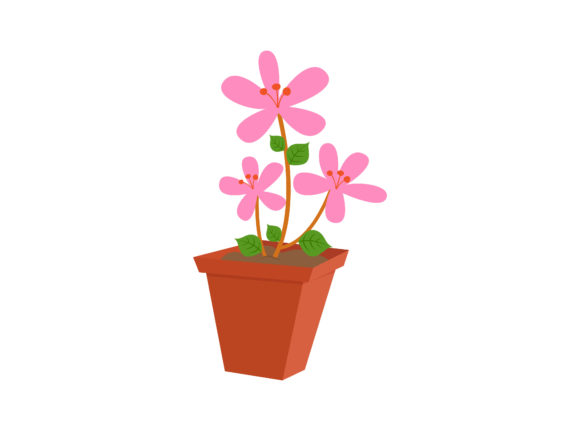
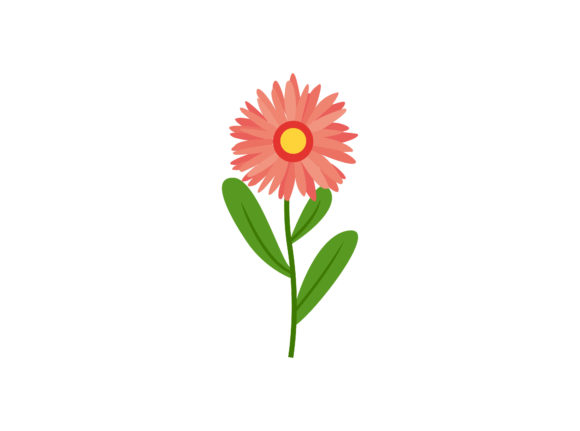
Spring Pink Flower Vector-2 presents a single blossom with a natural, slightly stylized outline. The petals are rounded and open, with a subtle center detail. The beauty of a vector file is that it can be scaled indefinitely without losing quality, and it opens easily in Adobe Illustrator, Corel Draw, or any vector-based program. That means you can resize it for a tote bag, a baby onesie, or an embroidered patch without worrying about pixelation. The Graphic category is accurate—this is a vector illustration, not a ready-to-stitch embroidery file. For embroidery designers, that means you’ll need to convert it into a machine embroidery format (like PES, DST, or EXP) using digitizing software, or send it to a professional digitizer. The clean lines make it a strong candidate for digitizing, especially if you want a design that retains its shape across different sizes.
Real Stitching Performance: From Screen to Fabric
I tested a digitized version of Spring Pink Flower Vector-2 on a medium-weight cotton tote bag—a classic project for a small shop or an Etsy seller. The design’s open petals and moderate detail level meant the stitch density was reasonable. I used a combination of fill stitch for the petals and a satin stitch outline to give it a crisp edge. The result was a clean, dimensional flower that sat nicely on the fabric. On a sweatshirt embroidery project, the same digitized file worked well because the design isn’t overly dense; it won’t pull or distort the knit fabric. I also tried it as a small embroidered patch on twill, and the shape held up beautifully. The pink tones are the star here, so if you’re using thread colors, I recommend a soft pink for the main petals and a slightly darker shade for the center to create depth. Avoid using too many color changes—two or three is plenty to keep the stitching time efficient and the cost down for a handmade product.
For a baby embroidery project—like a burp cloth or a tiny romper—the design’s gentle personality fits right in. The flower is not too large, so it sits well on small garments. I’d recommend a hoop size of at least 4x4 inches to keep the details crisp, and a stabilizer appropriate for the fabric: cut-away for knits, tear-away for wovens. If you’re making a personalized gift like a set of embroidered kitchen towels, the design adds a touch of spring that feels handmade and thoughtful. For commercial embroidery projects, you can scale it up for a large tote or down for a cap, but keep in mind that tiny versions may lose the petal definition. Test it at the size you plan to use.
Best Project Ideas for Spring Pink Flower Vector-2
This design is versatile, but it shines brightest in certain applications. Here are some real-world scenarios where I’ve seen it work well:
- Custom tote bag design for a spring market or boutique. The flower creates a focal point without overpowering the bag.
- Sweatshirt embroidery for a small shop or a gift. It looks great centered on the chest or as a small accent on a sleeve.
- Baby onesie or layette set for a nursery theme. The pink is soft enough for a gender-neutral spring look.
- Embroidered patch for a jacket or backpack. The simple shape is easy to cut and sew.
- Pillow cover or tea towel for a kitchen or home decor line. It adds a handmade touch that customers love.
- Printable mockup for digital product sellers. You can use the vector to create a preview of an embroidered item without stitching it first.
For Etsy sellers and craft business owners, having a vector file means you can also sell the design as a digital embroidery file after digitizing, or use it as part of a larger collection. The Illustrations category makes it clear that this is a raw graphic, so you have full control over how it’s adapted.
Where to Use It Carefully
No design is perfect for every situation. Spring Pink Flower Vector-2 has some limitations that you should consider before committing to a project:
- Small hoop sizes (under 4x4): The petals may become too narrow, and the satin stitch outline could bunch up. Test at 2 inches or less to see if the detail holds.
- Textured fabrics like fleece or bouclé: The flower’s open areas can sink into the texture, making the design look muddy. Use a dense fill stitch and a stiff stabilizer.
- Stretchy fabrics like jersey or spandex: The design may distort if not stabilized properly. Use a cut-away stabilizer and a lightweight fusible interfacing behind the embroidery area.
- Dark fabrics: The pink petals need good contrast. If the fabric is dark, consider using a light thread color or adding a white underlay to prevent the fabric from showing through.
- Curved surfaces like caps: The design is round, which works well on a cap front, but the petals may need slight adjustment to lie flat on the curve. Use a cap hoop and a floating stabilizer.
- High-wash items: Frequent washing can cause thread breakage if the stitch density is too high. Opt for a lighter fill and a reinforced satin stitch.
How This Design Boosts Your Product Value
When I evaluate a graphic for embroidery, I think about how it will affect the visual appeal and customer trust. A design like Spring Pink Flower Vector-2, once digitized and stitched, gives a handmade product a professional, polished look. The flower is recognizable and universally appealing, which makes it easy to market. For a boutique branding line, it adds a consistent spring theme. For giftability, it’s a safe choice—most people like flowers. The stitching clarity is good because the design isn’t cluttered with tiny details that get lost. Customers see a clean, finished product and are more likely to trust the quality of your work. This is especially important for commercial embroidery where you’re selling to boutiques or at craft fairs. The design’s brand consistency means you can use it across multiple products—tote bags, tees, patches—and build a cohesive look. For Etsy listings, a well-stitched version of this flower can be the hero image that drives sales.
Practical Notes for Embroidery Designers
Before you open Spring Pink Flower Vector-2 in your digitizing software, here are some steps I always take:
- Test the design on scrap fabric first. Use the same fabric type you plan to stitch on. This saves you from ruining a finished product.
- Check thread color contrast. The pink should stand out against the background. Make a small stitch sample to see how the colors interact under different lighting.
- Review stitch density. For a vector graphic, the digitizer will determine the density. Ask for a medium density—around 4-5 stitches per mm for fill areas—to avoid puckering.
- Confirm hoop size. Know the maximum dimensions of your hoop before you resize the design. A 4x4 hoop is common for small to medium projects.
- Inspect small details. The center of the flower may have fine lines. If they are too thin, the running stitch might not be visible. Simplify or enlarge slightly.
- Test it in black and white mockups. A grayscale preview can reveal areas where the design looks too busy or unbalanced.
- Compare light and dark fabric backgrounds. The design may need a different underlay for dark fabrics to prevent gaps.
- Use proper stabilizer. Cut-away for stretch fabrics, tear-away for stable fabrics. A fusible stabilizer can help with delicate fabrics.
- Check licensing. Since the product description doesn’t specify commercial use terms, I recommend contacting the seller or checking the product page. If you plan to sell finished items or digital files, make sure you have the right to do so. Many vector graphics allow commercial use, but it’s always better to verify.
This flower design is a solid addition to any embroidery project library. It gives you a versatile, spring-themed graphic that can be adapted for many products. The key is to digitize it thoughtfully and test it on your target fabric. With the right preparation, Spring Pink Flower Vector-2 will become a go-to for your craft business or small shop product line. Whether you’re making a personalized gift for a friend or a batch of custom apparel for a client, this design delivers a clean, professional look that people will appreciate.